Etosha NP Namibia for luxury travellers: where to stay and why it matters
Etosha NP Namibia lies in northern Namibia as a vast national park wrapped around the shimmering Etosha Pan. This protected Etosha landscape covers about 22 270 km² and is managed by Namibia Wildlife Resorts together with the Ministry of Environment, Forestry and Tourism, which positions it as one of southern Africa’s most reliable wildlife destinations for premium safaris. The semi-arid setting, the immense salt pan and the carefully managed waterholes create a stage where luxury lodges and refined camps can offer close yet responsible access to wildlife.
The word Etosha means “great white place” in the Ovambo language, a reference to the blinding salt crust of the Etosha Pan. Within this national park, more than 110 recorded mammal species and around 340 bird species move between natural and artificial waterholes, so guests at an Etosha safari lodge can expect regular game viewing without long drives. Conservation work here is serious; methods include park zonation, anti-poaching patrols and species reintroductions, which directly benefits travellers who want both comfort and meaningful impact.
Luxury travellers often compare Etosha NP Namibia with other African icons in Tanzania or South Africa when planning a multi-country safari. Some itineraries even link Etosha with river-based experiences in Uganda or Zambia, or classic plains safaris in Tanzania and Uganda, yet Etosha’s generally low malaria risk and self-drive-friendly roads make it uniquely accessible. For guests booking high-end lodge or tented camp stays, this combination of safety, independence and reliable wildlife makes Etosha National Park one of the most compelling choices in Namibia.
Inside the park: choosing between Etosha’s iconic rest camps and private lodges
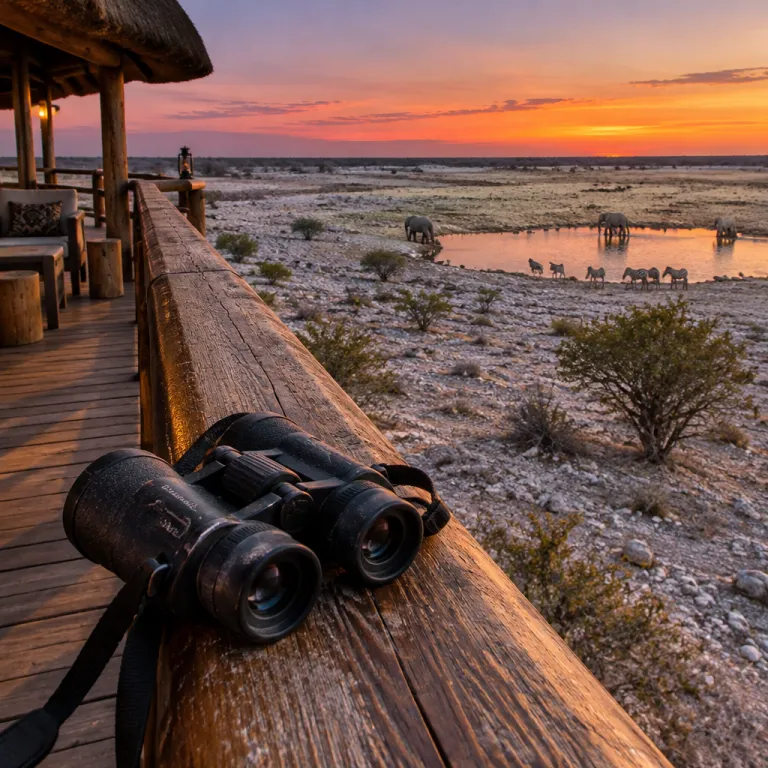
Within Etosha NP Namibia, the state-run rest camps form the backbone of accommodation inside the park. Okaukuejo Camp, Halali Camp and Namutoni Camp each offer comfortable rooms, floodlit waterholes and direct access to game viewing routes that circle the Etosha Pan. These camps are not ultra-luxurious, yet their location inside the national park allows guests to be on the road at first light and back at camp in time for night-time wildlife at the waterholes.
Okaukuejo Camp is famous for its illuminated waterhole where elephants, black rhinos and lions often gather during the dry season. Halali Camp sits centrally, making it ideal for guests who want to explore different sectors of Etosha NP Namibia over several days without long backtracking drives. Namutoni Camp, built around a historic fort, anchors the eastern side of the park and works well for travellers combining Etosha with the Onguma or Ongava private reserves just outside the gate.
More remote options such as Dolomite Camp and Onkoshi Camp bring a quieter, more exclusive feel to the national park. Dolomite Camp’s tented-style units perch on rocky outcrops in the previously restricted western area, while Onkoshi Camp overlooks the edge of the Etosha Pan itself. One recent guest described waking before dawn at Onkoshi to “hear only wind, distant jackals and the soft clink of coffee cups” before watching the pan turn from grey to pink. Guests who value wellness and open-air relaxation often pair these stays with time in the Namib Desert or coastal wellness retreats, and many luxury itineraries now include outdoor-first yoga decks and dune walks as highlighted in this guide to Namibian wellness experiences.
Private reserves near Etosha: Onguma, Ongava and Mushara for elevated comfort
Immediately outside Etosha NP Namibia, a ring of private reserves offers a more luxurious counterpoint to the national park rest camps. To the east, the Onguma reserve and the Mushara area provide intimate lodges and tented camp options that combine guided drives inside Etosha with private game activities on their own land. To the south and west of the Andersson Gate, the Ongava reserve delivers similarly high standards of guiding and hospitality.
Camp Onguma, along with other Onguma lodges, gives guests access to private waterholes, photographic hides and guided night drives that are not allowed inside the national park. The Mushara Lodge and the broader Mushara collection sit close to the Von Lindequist Gate, making it easy to spend the day inside Etosha NP Namibia and return to a refined dinner and curated wine list. Many travellers choose Mushara for multi-day stays, using the lodge as a base to explore different sectors of the park while enjoying a quieter camp atmosphere in the evenings.
On the southern side, Ongava’s lodges and tented camp properties focus on high-quality guiding, with strong chances of seeing both black and white rhino on private land. These reserves also integrate conservation research and community partnerships, echoing the national park’s own objectives of biodiversity preservation and sustainable tourism. For guests who value technology and live views, several of these properties now feature live camera feeds and remote viewing platforms, similar in spirit to the curated Namibia cam experiences for luxury travellers.
Designing your Etosha NP Namibia itinerary: days, routes and linked destinations
Planning the right number of days in Etosha NP Namibia is essential for a relaxed yet rewarding stay. For first-time visitors, three to four days inside or around the national park usually allows time to explore the main loops between Okaukuejo Camp, Halali Camp and Namutoni Camp. Repeat travellers or keen photographers often extend to five or six days, adding Dolomite Camp or Onkoshi Camp for a different perspective on the Etosha Pan and its surrounding wildlife.
Most luxury itineraries approach Etosha from Windhoek, then continue towards the Namib Desert or the Atlantic coast. Swakopmund on the Skeleton Coast is a popular stop after Etosha NP Namibia, offering cool sea air, dune activities and a strong restaurant scene that contrasts with the heat and dust of the park. Some travellers then continue south into the Namib Desert proper, while others head north along the Skeleton Coast to remote properties such as Shipwreck Lodge, which is profiled in detail in this feature on an extraordinary coastal retreat on the Skeleton Coast.
For guests combining countries, Etosha often forms the Namibia anchor in a broader Africa itinerary that might also include South Africa, safari regions in Tanzania or river-based safaris in Uganda and Zambia. Specialist operators can link Etosha NP Namibia with Tanzania–Uganda circuits, allowing travellers to compare the open Etosha Pan with the volcanic craters and savannahs further east. Whatever the route, careful sequencing of days in each park helps avoid fatigue and ensures that every lodge or camp stay feels distinct.
Seasonality, wildlife and waterholes: what luxury guests can expect
Etosha NP Namibia lies in a semi-arid zone where rainfall is highly seasonal, so timing your visit shapes the entire experience. The dry months from May to September concentrate wildlife around permanent and artificial waterholes, making game viewing from vehicles or camp viewpoints exceptionally productive. During this period, the Etosha Pan often appears as a vast white expanse, and the contrast between the salt crust and the surrounding grassland creates striking photographic opportunities.
When the rains arrive, sections of the pan hold shallow water and migratory birds arrive in large numbers. Travellers focused on birdlife may prefer these wetter months, even though game is more dispersed and the national park feels greener and less stark. According to official park information, “Visit May–September for dry-season wildlife viewing”, which aligns with the peak period for luxury lodge occupancy and the highest demand for premium guides.
Regardless of season, Etosha NP Namibia is widely regarded as a low-risk malaria destination compared with many other African parks, which reassures families and older guests who might be cautious about higher-risk regions. Night-time temperatures can drop sharply, especially in tented camp accommodations at Dolomite Camp, Onkoshi Camp or in the Namib Desert, so packing warm layers is essential. Because rest camps and high-end lodges near the park often sell out months in advance, travellers seeking specific rooms with waterhole views or private plunge pools should secure bookings early.
Practical booking insight: matching lodges, camps and comfort levels
Choosing between a lodge and a camp in Etosha NP Namibia depends on your expectations for comfort, privacy and style. Inside the national park, Okaukuejo Camp, Halali Camp and Namutoni Camp offer the advantage of location, while Dolomite Camp and Onkoshi Camp add a more secluded, almost tented camp atmosphere. Outside the gates, properties such as Mushara Lodge, the wider Mushara portfolio, Camp Onguma and the Ongava lodges provide higher service levels, finer dining and more personalised guiding.
Luxury travellers often split their stay between an inside-the-park camp and an outside-the-park lodge to balance early access with elevated amenities. For example, two days at Okaukuejo Camp followed by three days at Mushara Lodge or another Mushara property near the eastern gate creates a varied yet cohesive Etosha NP Namibia experience. Similarly, combining a stay at Camp Onguma with time in the Namib Desert or on the Skeleton Coast allows guests to experience both classic Etosha safari drives and dramatic desert or ocean landscapes.
When comparing Etosha with other destinations such as South Africa, leading safari areas in Tanzania or river-based regions in Uganda and Zambia, the key differentiators are the Etosha Pan, the floodlit waterholes and the ease of self-drive. Etosha NP Namibia is particularly well suited to independent travellers who still want the option of guided game drives from their lodge or camp. By aligning your preferred style of travel with the right mix of camps, lodges and days in the park, you can create an itinerary that feels both indulgent and deeply connected to Namibia’s wild heart.
Key figures for Etosha NP Namibia and its national park context
- The total area of Etosha NP Namibia is about 22 270 km², according to Namibian government reports, making it one of Africa’s larger national parks by surface area.
- The Etosha Pan itself covers roughly 4 800 km² based on Etosha ecological research data, so this single salt pan occupies more than one fifth of the entire park.
- Official park data list just over 110 mammal species in Etosha National Park, which supports a broad range of safari experiences from elephant and lion sightings to smaller antelope and predators.
- Recent ornithological surveys record approximately 340 bird species in the park, with numbers peaking during the wet season when migratory species arrive at the temporary pans and waterholes.
- Conservation reports estimate the elephant population in Etosha NP Namibia at around 2 500 animals; figures vary slightly between surveys, but all reflect decades of protection and careful water management in this semi-arid environment.
FAQ: planning a luxury stay in Etosha NP Namibia
What does the name Etosha mean and how does it shape the landscape ?
The name Etosha translates as “great white place” in the Ovambo language, referring to the vast salt crust of the Etosha Pan. This pan dominates the centre of Etosha NP Namibia and influences both the ecology and the visual character of the national park. During dry months, the white surface and surrounding grasslands create high-contrast scenes that many photographers and safari guests find unforgettable.
When is the best time to visit Etosha NP Namibia for wildlife viewing ?
The prime period for concentrated wildlife viewing in Etosha NP Namibia runs from May to September, when dry conditions push animals towards permanent waterholes. During these months, guests at Okaukuejo Camp, Halali Camp, Namutoni Camp and nearby lodges often see elephants, rhinos and predators gathering at the water’s edge. Bird enthusiasts may prefer the wetter months, when seasonal pans fill and migratory species arrive in large numbers.
Is Etosha NP Namibia malaria free and suitable for families ?
Etosha NP Namibia is commonly described by local operators as a low malaria risk area, which makes it particularly attractive for families with young children and older travellers. This contrasts with some regions in Tanzania, Uganda or Zambia where malaria prophylaxis is usually recommended. Combined with good road access and a range of lodge and camp options, the relatively low risk helps position Etosha as one of Namibia’s most family-friendly safari destinations.
How many days should I plan for Etosha within a wider Namibia trip ?
For a first visit, three to four days in and around Etosha NP Namibia usually provide a balanced experience of game drives, rest time and varied landscapes. Travellers who are keen photographers or who want to include Dolomite Camp, Onkoshi Camp or private reserves such as Onguma and Ongava often extend to five or six days. When combined with the Namib Desert, Swakopmund or the Skeleton Coast, this allows a two-week Namibia itinerary to feel full yet unhurried.
Who manages Etosha NP Namibia and how does this affect visitors ?
Etosha NP Namibia is managed jointly by Namibia Wildlife Resorts and the Ministry of Environment, Forestry and Tourism, with support from foreign researchers, local communities and tourism operators. This structure ensures that park zonation, waterhole management and anti-poaching patrols are coordinated at a national level. For visitors, it means that rest camps, roads and key viewing sites are maintained with both tourism and conservation in mind, enhancing the overall quality of a luxury or premium stay.