Shipwreck Lodge Namibia as a coastal retreat of rare character
Shipwreck Lodge Namibia stands on the southern bank of the Hoarusib River mouth, where the Skeleton Coast meets the desert. This is not a typical lodge stay; it is a carefully curated immersion in a remote Namibia landscape where Atlantic fog rolls over dunes and whale bones lie scattered along the coast. Travellers who read about this place often expect only stark emptiness, yet the surrounding Skeleton Coast National Park reveals desert-adapted wildlife, human stories, and a surprising sense of comfort.
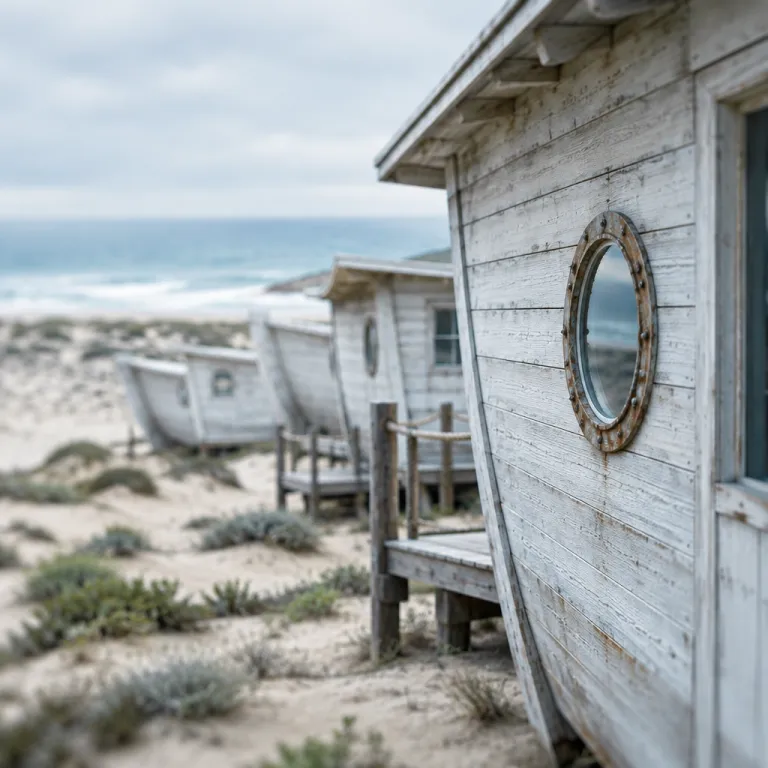
The lodge cabins resemble shipwrecks scattered across the sand, echoing the rusted hulls that dot the remote Skeleton Coast shoreline. Each individual timber-and-metal structure is angled into the wind, so the cabins resemble shipwrecks both in silhouette and in the way they appear half buried in the dunes. This design is not theatrical decoration; it reflects the shipwreck history of the Skeleton Coast and anchors Shipwreck Lodge Namibia firmly within its national park setting.
Shipwreck Lodge is operated by Natural Selection in partnership with local stakeholders who have deep roots in desert safari operations. Their collaboration ensures that every lodge experience balances conservation, guest comfort, and respect for the Skeleton Coast National Park concession. For travellers comparing a wild coastal escape with more conventional resorts, this remote camp offers a rare combination of eco-engineering, attentive service, and a sense of being at the very edge of the Atlantic.
Design, cabins, and comfort in a harsh desert environment
The ten cabins at Shipwreck Lodge Namibia are deliberately small in number, preserving a feeling of privacy on the vast desert concession. Eight units are designed for couples, while two larger family cabins can accommodate extra beds for children or multi-generational travel groups. This limited selection of cabins allows the lodge to maintain a low environmental footprint while still offering a premium stay.
Inside, the cabins resemble shipwrecks only from the outside; once you step in, the atmosphere is warm, with wood-burning stoves, thick duvets, and large windows framing the Skeleton Coast dunes. Solar power and borehole water systems support the lodge infrastructure, showing how a luxury lodge in Namibia can operate year round without compromising the fragile desert ecosystem. The design team worked with Natural Selection to ensure that every night spent here feels indulgent yet aligned with the park’s conservation goals.
Families appreciate the thoughtful layout of the family cabins, where extra beds can be added without feeling cramped and where children can safely read or play indoors when the Atlantic wind rises. Couples often choose a cabin at this remote lodge for its sense of seclusion, watching the sea fog roll in from the coast while the wood stove glows. Guests who value sustainability over a hypothetical Michelin Key or future Michelin Keys rating will find that the real luxury lies in how gently this sculptural lodge structure touches the land.
Luxury escapes with spa experiences across Namibia can easily be combined with a few nights at Shipwreck Lodge, creating an itinerary that moves from wellness to wilderness. Travellers often pair a spa-focused stay in central or northern regions with this raw stretch of coastal desert terrain. The contrast between massage rooms and wind-carved dunes makes each part of the journey feel more vivid.
Skeleton Coast setting, adapted wildlife, and signature activities
The Skeleton Coast National Park is famous for its stark beauty, where the desert meets the Atlantic in a band of shifting dunes and fog. Around Shipwreck Lodge Namibia, the landscape feels almost lunar, yet desert-adapted wildlife has learned to thrive in this harsh environment. Guests often encounter brown hyena tracks near the Hoarusib River, a reminder that this is one of the better areas to look for such elusive species in Namibia.
Guided drives from the lodge explore the remote Skeleton Coast shoreline, where whale bones and rusted shipwreck remains lie scattered along the coast. These excursions are not staged photo stops; they are interpretive journeys that explain how the Skeleton Coast earned its name and how the national park protects both marine and terrestrial ecosystems. Many guests describe their first sight of whale bones on the beach at low tide as the moment when the scale of this coastal wilderness truly sinks in.
Activities extend inland as well, with dune drives that reveal desert-adapted plants and animals, from side-winding snakes to hardy shrubs that trap fog moisture. Quad biking is sometimes offered on selected routes, always managed to avoid sensitive areas and to respect the park’s conservation rules. For travellers who want a more urban coastal contrast, a stay in Swakopmund for coastal elegance pairs well with a few nights at this Namibia retreat, moving from cafés and galleries to the silence of the Skeleton Coast.
Access, logistics, and how to plan your stay
Reaching Shipwreck Lodge Namibia requires more planning than a standard coastal resort, and that is part of its appeal. Most guests either fly by light aircraft to Möwe Bay or undertake a 4×4 self-drive to the same point, where lodge vehicles meet them for the final transfer through the national park. This controlled access protects the Skeleton Coast environment and ensures that only a limited number of travellers enter the concession each day.
The lodge operates year round, with a dry season that brings clearer skies and a green season when the desert can briefly flush with colour after rare rains. Cold Atlantic currents create foggy mornings even in warmer months, so packing layers, gloves, and a warm hat is essential for any night spent here. Guests should carry extra fuel and water for the drive to Möwe Bay, as services along this stretch of coast are minimal and distances between settlements in remote regions of Namibia can be long.
All-inclusive stays typically cover accommodation, meals, most drinks, and guided activities, simplifying budgeting for families and couples alike. When you read the fine print on your booking, check which activities are included and whether quad biking or special excursions to more distant shipwreck sites carry a surcharge. Travellers often combine this remote Skeleton Coast experience with refined city hotels in Windhoek, using a stay in the capital as a logistical hub before or after the Skeleton Coast.
For those planning a broader itinerary, a resource such as refined hotels in Windhoek’s capital city helps anchor flights, car hire, and pre-tour nights. From there, you can route north to Etosha National Park for a classic safari, then west to the coastal region for Shipwreck Lodge Namibia. This round journey across Namibia highlights how varied the country’s landscapes and lodge selection can be within a single trip.
Positioning among Namibia’s luxury lodges and the Michelin Key trend
Within Namibia’s high-end lodge selection, Shipwreck Lodge occupies a distinct niche as an eco-luxury property on the Skeleton Coast. Many travellers compare it with inland desert lodges or Etosha safari camps, yet few places offer such direct access to both the Atlantic and the dunes. The surrounding concession covers a vast area, giving guests a sense of space that even the most exclusive inland lodges rarely match.
Global travellers increasingly use the language of the Michelin Key when evaluating hotels, even though the system is still expanding and not yet applied to most of Africa. While Shipwreck Lodge Namibia does not currently hold an official Michelin Key or any Michelin Keys, it consistently appears on expert lists of remote luxury stays for its architecture and conservation ethos. In practice, this coastal lodge delivers the kind of narrative, place-specific experience that such awards tend to recognise, even without formal certification.
What sets this property apart is how it integrates conservation into every aspect of the guest journey. Eco Awards Namibia has recognised the operation’s efforts, and the partnership with local communities helps ensure that tourism revenue supports jobs and training in a region with limited economic opportunities. For discerning travellers, this alignment between comfort, ethics, and landscape often matters more than any external rating, whether from a guidebook, a star system, or a future Michelin Key programme.
Who should book Shipwreck Lodge Namibia and how to choose your nights
Shipwreck Lodge Namibia suits travellers who value atmosphere and narrative over conventional resort amenities. If you are drawn to the idea of sleeping in cabins that resemble shipwrecks on a foggy coast, with brown dunes stretching inland and whale bones scattered along the beach, this lodge will feel like a natural fit. Those seeking nightlife, shopping, or spa menus may prefer to limit their stay here to two or three nights and balance it with more urban or resort-style properties elsewhere in Namibia.
Families with older children often find this remote Namibia setting deeply rewarding, especially when guides interpret the desert-adapted ecology and the history of the Skeleton Coast. Extra beds in the family cabins allow parents and children to share a single unit, turning each night into a shared story as wind rattles the cabin walls and the wood stove crackles. Couples celebrating a special occasion often choose to book a private dune picnic or a sundowner drive, watching the Atlantic fog roll in while the sky turns a muted brown and gold.
When you read through booking options, pay attention to transfer logistics, cancellation policies, and seasonal differences in wildlife viewing. Desert-adapted species such as the brown hyena are present year round, but sightings can vary with fog, wind, and temperature. If this is your first trip to Namibia, consider working with a specialist who understands how to sequence Etosha National Park, the Skeleton Coast National Park, and other regions into a coherent round itinerary that balances travel time, budget, and personal interests.
Key figures and practical statistics for Shipwreck Lodge Namibia
- Shipwreck Lodge offers 10 cabins in total, including eight twin or double units and two larger family cabins, which keeps guest numbers low and ensures personalised guiding throughout your stay.
- The lodge is reached via Möwe Bay, with the final stretch accessible only by lodge game-drive vehicle, so guests must plan their arrival at Möwe Bay carefully to align with scheduled transfers.
- The private concession covers a substantial area within the Skeleton Coast National Park, giving each guest access to a wide expanse of dunes, riverbeds, and coastline with minimal vehicle traffic.
- The property operates year round, with a dry season from roughly April to October and a greener season from November to March, allowing travellers to choose between clearer skies or more dramatic fog and cloud formations.
- Cabins are powered primarily by solar energy, supported by wood-burning stoves for heating, which significantly reduces the carbon footprint compared with conventional diesel-generated power in similarly remote lodges.
FAQ about Shipwreck Lodge Namibia and the Skeleton Coast
How many rooms are available at Shipwreck Lodge Namibia?
Shipwreck Lodge has ten cabins in total, with eight configured as twin or double units and two designed as larger family cabins that can accommodate extra beds for children. This small-scale layout preserves privacy and limits environmental impact within the Skeleton Coast National Park concession. Guests should book well in advance, especially for peak travel periods, as availability is often tight.
Is Shipwreck Lodge powered by solar energy?
Yes, the cabins at Shipwreck Lodge Namibia use solar power for most of their energy needs, supported by wood-burning stoves for heating on cold Atlantic nights. This approach aligns with the lodge’s eco-luxury positioning and its partnership with Eco Awards Namibia. Solar infrastructure also reduces the need for fuel deliveries into this remote area of Namibia, lowering both emissions and logistical risk.
What activities can guests enjoy during their stay?
Guests at Shipwreck Lodge can join guided drives to nearby shipwreck sites, explore dunes by vehicle, and enjoy beach picnics along the Skeleton Coast. Wildlife-focused excursions often highlight desert-adapted species such as the brown hyena, as well as birdlife along the Hoarusib River. Some itineraries may include carefully managed quad biking on designated routes, always respecting national park regulations.
How do you reach Shipwreck Lodge from the rest of Namibia?
Travellers typically fly by light aircraft to Möwe Bay or drive there in a high-clearance 4×4, then transfer onward by lodge game-drive vehicle to reach Shipwreck Lodge Namibia. The route crosses part of the Skeleton Coast National Park, so independent driving beyond Möwe Bay is not permitted for most visitors. Guests should carry extra fuel and water for the approach drive and coordinate arrival times closely with the lodge team.
Is Shipwreck Lodge suitable for families with children?
Shipwreck Lodge welcomes families, and the two family cabins are specifically designed to accommodate extra beds for younger guests. Activities can be tailored to different ages, focusing on gentle dune walks, wildlife tracking, and storytelling about the Skeleton Coast’s shipwreck history. Parents should be comfortable with a remote coastal environment, as medical facilities and shops are far from the lodge.
References and further reading
- Namibia Tourism Board – official information on Skeleton Coast National Park and travel logistics.
- Eco Awards Namibia – details on eco-certification standards for lodges across Namibia.
- Natural Selection – background on Shipwreck Lodge operations and conservation initiatives.