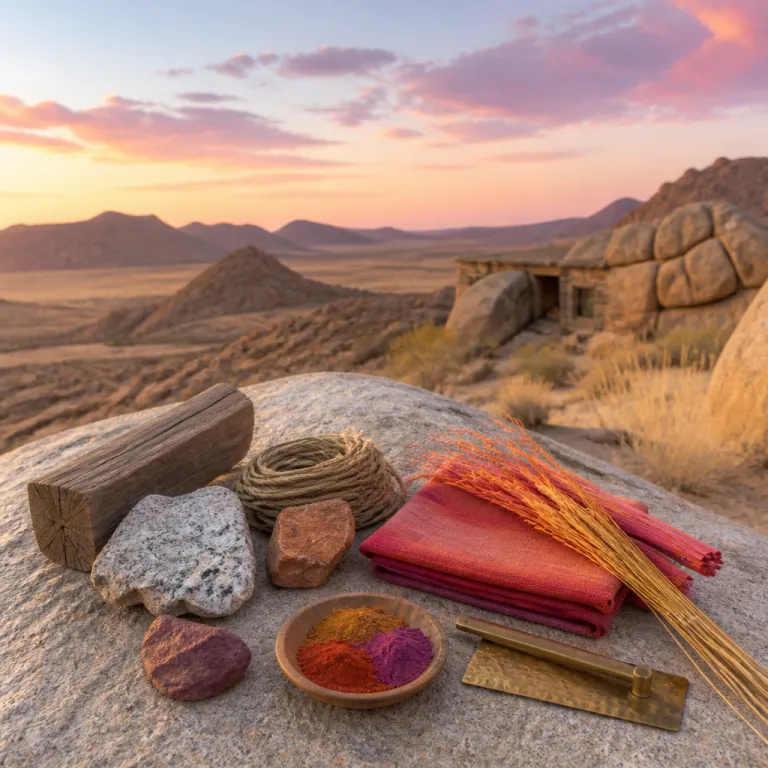
Section 1 – Why this Namib desert camp divides opinion
Zannier Sonop sits on a cluster of granite boulders in southern Namibia, looking across a desert plain that feels almost lunar. The zannier sonop namibia design lodge concept is unapologetically theatrical, with the property styled as an early twentieth century expedition camp suspended above the sand. Some guests arrive expecting a neutral safari hotel and instead find a tented camp that leans into colonial era aesthetics with pith helmets, leather trunks and a cigar lounge that could have been lifted from a period film.
The tension starts with context, because this part of Namibia still carries the weight of German colonial history and land dispossession. When a modern lodge chooses to reference that era, even playfully, it raises questions about who the story is for and whether the design celebrates or critiques the past for today’s luxury travel audience. Couples weighing different hotels in the Namib desert often tell us they love the panoramic views and the romance of canvas bedroom tents, yet feel uneasy when the narrative in the living area seems to centre on European explorers rather than the local communities and landscapes that actually define the karas region.
On the other hand, many guests argue that the zannier hotels team has created a rare kind of theatre in the desert that makes every private room feel like a film set. They point to the way each bedroom tent opens to wide views, the open air decks and the infinity pool carved into rock as proof that the design is ultimately about immersion in nature rather than nostalgia. This is why zannier sonop remains one of the most debated hotels sonop has produced, and why understanding the design intent matters before you book a tent or a suite at this lodge.
Section 2 – Architecture on boulders: how the tents actually work
The structural story behind this zannier sonop namibia design lodge is more radical than the campaign furniture suggests. Ten canvas and wood tents stand on stilts pinned between granite boulders, with raised walkways linking each tented camp structure like a suspended spine across the rocks. Conservation rules in this part of the karas region required that every tent, every bedroom and every shared living area could be removed without leaving a permanent foundation in the desert.
Engineers worked with the property’s architects to map each boulder, then designed tent platforms that rest on steel feet wedged into natural gaps rather than drilled into stone. That is why the tents offer such dramatic panoramic views over the Namib desert, yet the hotel can theoretically be dismantled and the area returned to its original state. When you walk from your private room to the infinity pool at dawn, the sensation of floating above the desert is not an illusion ; the open air walkways sit several metres above the sand, and the hot air that rises from the rocks wraps around you like a warm sea.
Inside, the bedroom tents are surprisingly solid, with timber floors, canvas walls and a separate living area that feels more townhouse than camp. Each bedroom tent includes a full bathroom with a deep tub and a rain shower, plus a separate room for luggage and wardrobes, so couples never feel they are sacrificing comfort for design. If you are comparing desert hotels near Sossusvlei, it is worth reading how other elevated lodges handle structure and views in this guide to Namib luxury lodges near the dunes, then deciding whether the drama of stilts and boulders at sonop lodge suits your own sense of space.
Section 3 – Colonial aesthetics, ethics and how Zannier positions Sonop
Walk into the main tent at this zannier sonop namibia design lodge and the mood is immediate. There is a billiards table under canvas, a cigar lounge with leather armchairs, brass lamps and a bar that feels more gentlemen’s club than desert lodge. Zannier hotels has been explicit that sonop lodge references early expedition camps, yet in Namibia that choice lands differently than it might in another desert destination without such a charged history.
Some guests read the design as a romantic fantasy that erases the realities of colonial rule, especially when staff in the hotel dining room serve multi course dinners under chandeliers while maps of the namib desert hang on the walls. Others argue that the property uses these aesthetics as a frame, while the real story is the landscape outside and the Namibian team running the tents, the kitchen and the guest experience. If you care about where your money goes, it is worth comparing this privately owned lodge with conservancy run properties discussed in our analysis of local ownership at the luxury end of the market, because governance shapes everything from hiring to guiding.
From a design ethics perspective, the question is not whether a hotel can reference colonial motifs, but how consciously it does so and how clearly it communicates that stance to guests. Couples booking a private room here should arrive knowing that the tents offer a curated fantasy of exploration, while the real Namibia sits beyond the pool deck and the open air bar. If you are sensitive to these narratives, ask the property in advance about community partnerships, staff training and how the hotel frames its own story in pre arrival materials.
Section 4 – Inside the tents: comfort, climate and the feel of the rooms
Beyond the aesthetics, the zannier sonop namibia design lodge works because the tents function beautifully in harsh desert conditions. Each bedroom tent is oriented to catch both sunrise and sunset, with canvas flaps that roll up to frame panoramic views and let the cool morning air flow through the living area. When the hot air builds in the middle of the day, discreet climate control keeps the bedroom and bathroom comfortable without breaking the illusion of a classic tented camp.
The bedroom tents are large enough for a king bed, a writing desk, a lounge corner and a generous wardrobe room, so couples never feel cramped during longer stays. Bathrooms feature freestanding tubs and a walk in rain shower, with windows that open to the desert while still protecting privacy, which makes even a quick rinse feel like a ritual. Outside, each private deck offers loungers and sometimes a small plunge pool or outdoor seating, giving guests a choice between the main infinity pool and their own quieter corner of the property.
Details matter at this level of hotel, and sonop lodge mostly delivers. The tents offer proper blackout for late sleepers, yet you can also leave a flap open to wake with first light over the Namib desert and watch oryx move through the area below. For couples arriving from Europe or the United States in business class, the shift from aircraft cabin to open air canvas bedroom feels dramatic but never punishing, because the room layout, linens and amenities mirror what you would expect from the best hotels in Windhoek or Swakopmund.
Section 5 – Experience design: from hot air ballooning to the infinity pool
Where this zannier sonop namibia design lodge really excels is in choreographing the day around the desert’s rhythms. Mornings often start with hot air balloon flights over the Namib desert, where the basket drifts silently above dune lines while the pilot uses the cool air layers to steer. Watching the sun rise from an air balloon, then landing for coffee on the sand, sets a tone that no hotel breakfast room can match.
Back at the property, the infinity pool carved into the rocks becomes the social heart of the lodge as the day warms. Guests move between the pool, the open air bar and shaded living area decks, always with those panoramic views of the karas region stretching to the horizon. Afternoon activities range from guided desert drives to e bike rides and horse excursions, while evenings might include a film projected under the stars or a quiet drink in the cigar lounge before dinner.
The food programme leans on produce from the wider zannier hotels network, including a farm near Windhoek that supplies vegetables and meat to several properties. That means the tents offer menus that feel more European than strictly Namibian, though the kitchen usually weaves in local flavours and game. If you enjoy comparing how different luxury properties handle culinary identity, you might also look at the bayside hospitality style in this analysis of a Caribbean resort’s approach to luxury, then decide whether Sonop’s desert interpretation aligns with your own expectations.
Section 6 – Value, pricing and how Sonop compares within Namibia
Rates at this zannier sonop namibia design lodge typically sit above N$30,000 per night for two, placing it firmly in Namibia’s ultra premium tier. That price usually includes a private tent or suite, meals, selected drinks and a range of activities, so the comparison is not with a city hotel but with other all inclusive desert lodges. When you weigh sonop lodge against zannier omaanda near Windhoek or other high end hotels in the Namib desert, the question becomes whether you value theatrical design and boulder top views over proximity to iconic dunes or wildlife densities.
For couples planning a once in a lifetime trip, the property’s strongest argument is its sense of place. Few tents offer such elevated panoramic views, such a dramatic infinity pool setting and such a cohesive narrative from bedroom tent to cigar lounge, even if that narrative is contested. If you are flexible on dates, ask directly about any special offer periods, shoulder season rates or added value packages that might include hot air balloon flights or extended stays, because the hotel sometimes structures promotions quietly rather than broadcasting them widely.
From a pure value perspective, Sonop is best suited to travellers who will use the full range of experiences, from dawn air balloon rides to late night stargazing on the open air decks. If you mainly want a comfortable room and a pool, other desert hotels may deliver similar comfort at a lower nightly rate. But if you are drawn to the idea of a tented camp suspended above the karas region, where every private room and shared living area has been designed to frame the desert, then this polarising property may justify its premium for you.
Key figures on luxury desert stays in Namibia
- According to the Namibia Tourism Board, average occupancy in high end desert lodges in the Namib region often exceeds 70 percent during peak dry season, reflecting strong demand for remote luxury stays despite high nightly rates.
- Data from the World Travel & Tourism Council indicates that tourism contributes more than 10 percent to Namibia’s GDP, with premium hotels and lodges accounting for a significant share of tourism revenue relative to their small guest numbers.
- Industry reports from leading African safari operators show that more than 60 percent of international guests arriving at ultra premium Namibian properties travel in business class or premium economy, underscoring the market’s focus on affluent long haul travellers.
- Environmental impact assessments for desert lodges in conservancy areas often require that structures be removable ; in several Namib properties, including boulder based camps, this has led to modular tent and platform systems that can be dismantled within months if needed.
FAQ about Zannier Sonop and luxury design lodges in Namibia
Is Zannier Sonop suitable for first time visitors to Namibia ?
First time visitors who want a highly curated, all inclusive experience often find Zannier Sonop an easy entry point into Namibia. The lodge handles transfers, activities and most logistics, so guests can focus on the desert rather than driving or planning. However, pairing Sonop with at least one other region, such as Etosha or the Skeleton Coast, gives a more complete sense of the country.
How many nights should couples spend at Sonop lodge ?
For most couples, three nights at Sonop strikes the right balance between immersion and variety. That allows time for a hot air balloon flight, a couple of guided excursions, pool time and slow mornings in the bedroom tent without feeling rushed. Shorter stays can feel compressed, while longer visits suit travellers who enjoy deep rest and repeated views of the same landscape.
How does Zannier Sonop compare to Zannier Omaanda near Windhoek ?
Zannier Sonop focuses on a remote desert setting with tents perched on boulders, while Zannier Omaanda offers thatched villas in a wildlife reserve closer to Windhoek. Sonop is stronger on panoramic views, dramatic architecture and the feeling of isolation, whereas Omaanda excels at game viewing and easier access before or after international flights. Many travellers combine both properties to experience two distinct sides of the zannier hotels portfolio in Namibia.
What is included in the nightly rate at Zannier Sonop ?
Nightly rates at Sonop usually include accommodation in a private tent or suite, all meals, most drinks and a selection of guided activities such as drives or walks. Hot air balloon flights, spa treatments and some premium beverages may carry an extra charge. It is always worth requesting a detailed inclusions list and asking about any current special offer packages before confirming a booking.
Is the colonial inspired design at Sonop respectful of Namibian history ?
The design intentionally references early twentieth century expedition camps, which some guests find atmospheric and others view as insensitive given Namibia’s colonial past. The lodge does employ Namibian staff and operates within local regulations, yet the visual language still centres European exploration. Travellers who are concerned about this should contact the property with specific questions and consider balancing their itinerary with lodges that foreground community ownership and contemporary Namibian culture.